A service shaped by the vehicle

A mixed fleet can be difficult to recognize at a glance.

A mixed fleet can be difficult to recognize at a glance. Different vehicle generations, panel shapes and existing paint colors make it harder to present one consistent business identity. A considered graphic plan starts by deciding what should remain consistent and where each vehicle needs its own adjustment.

Planning may include full or partial coverage, logo placement, brand color use, service information and the relationship between front, side and rear panels. The exact scope depends on vehicle condition, body style, artwork readiness and how the vehicles are used. We discuss practical coverage and layout choices before work begins.

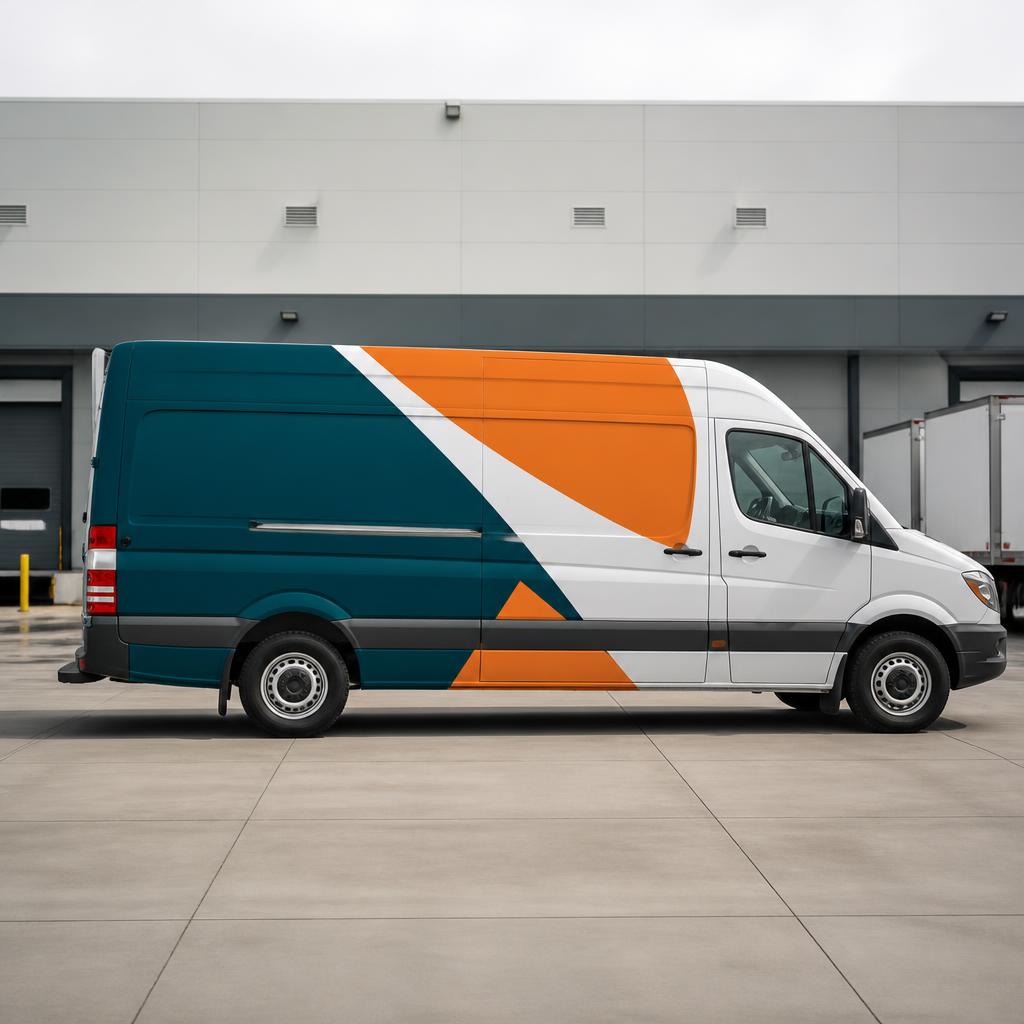
White commercial van with deep teal and warm orange fleet graphics
Fleet van branding example. Visual inspiration, not a completed client project.
01

Planning

Start with the real vehicle.

The conversation begins with the number and types of vehicles, the desired visual direction and any existing artwork. Vehicle dimensions and panel details inform layout. The design is reviewed for legibility and fit, then the approved plan guides installation and finishing.

Useful starting details include photographs, vehicle make and model, the number of vehicles and any existing brand artwork. The better the picture of the vehicle, the more useful the early layout conversation becomes.

02

Design considerations

Build a clear visual hierarchy.

A fleet plan should work both as a collection and as individual vehicles. Repeatable elements create recognition, while panel specific composition avoids forcing the same layout onto different bodies. Contrast, viewing distance and door seams all influence where key graphics belong.

Keep the essential identity recognizable from a useful distance. Consider how graphics read from the side, front and rear, and leave a sensible relationship between visual elements and functional vehicle features.

03

Installation context

Fit and finish follow the surface.

Vehicle condition and material influence preparation and application. The surfaces should be evaluated before an installation plan is confirmed. Panel edges, curves and access points all need to be considered so the design works with the vehicle rather than against it.

Discuss how the vehicle is used and what areas need to remain accessible. Those details help establish a practical, vehicle specific scope.

Project questions

A few details help make the first conversation useful.

What should I share?

Vehicle photographs, size or model information, artwork and a note about the intended look are all useful. It is fine to begin with only some of those details.

Can the artwork change for different body styles?

Yes. A shared visual identity can be adapted to different panel shapes and vehicle types so repeated elements remain recognizable without forcing one layout onto every body.

Where do I begin?

Use the homepage inquiry form to share the basics. There is no need to have every design decision settled before starting a conversation.

Continue exploring

See the full range of wrap services.

Compare vehicle types or share a first project idea.